

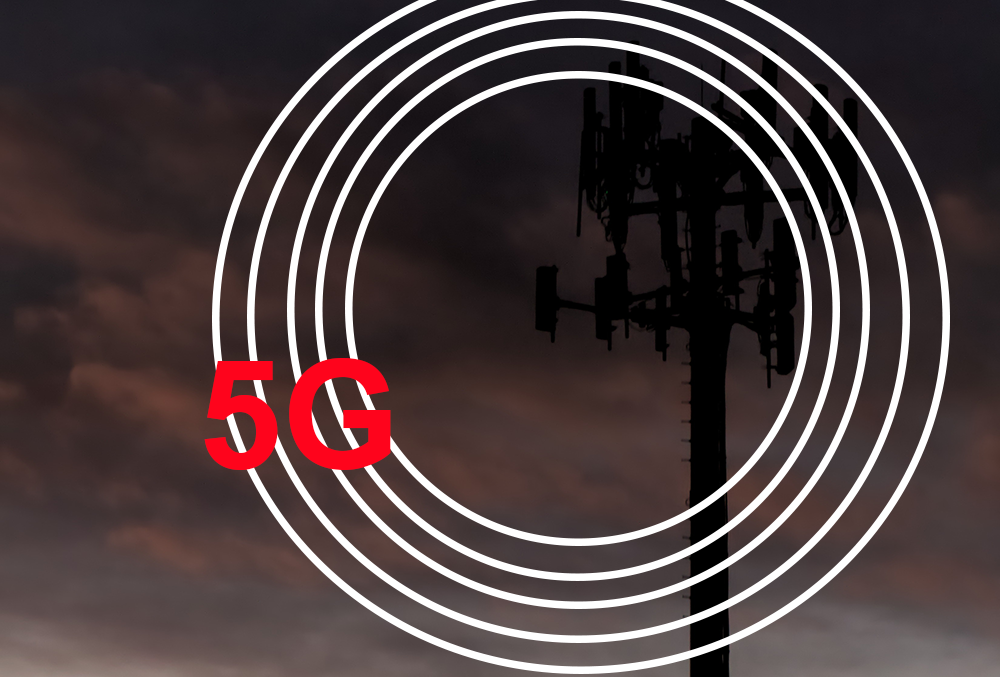
5G radiation refers to the radio waves with high frequencies that are used in the wireless network. The radiation is directional and extremely powerful and could result in serious injuries, particularly when you are exposed to it to it for extended periods of time. This kind of radiation is particularly dangerous to children, who are more vulnerable to the impacts. This article discusses the impact of the 5G radiation on immune and cardiovascular systems.
Radio waves of high frequency 5G
To provide 5G-related applications, the wireless network need high-frequency 5G radio signals. https://blouseblade54.doodlekit.com/blog/entry/25126832/5g-radiation-and-the-effects-on-the-human-immune-system are currently available for auction and will be available to operators of network within the next few months. The first auction for 5G spectrum began on March 16 , and will continue to run until 2020. The auction for these frequencies is expected bring in $81.2 billion.
The 5G network will provide peak data speeds in the range of 20 gigabits (GB/s) downstream and 10GB/s on the uplink. These rates are standardized by the International Telecommunication Union (ITU).
Long-term exposure
Although the health risks of 5G radiation are still undetermined but some experts think it could trigger some negative side effects. The World Health Organization, which is dedicated to protecting the world's health, says that radiowave exposure at low levels to 5G technology might not impact the immune system, however further research is required to better understand the risks to health that come with long-term exposure.
5g radiation conducted by National Toxicology Program (NTP) revealed the radiation exposure of radiofrequency can cause heart tumors in laboratory animals. Another study from the Ramzzini Institute found similar results. In 2011 the International Agency for Research on Cancer classified radiation from cell phones as a carcinogen that could cause cancer based on epidemiological findings. In addition, a number of human epidemiological studies have found an increased risk of glioma that is associated by cell phone usage.
Impact on the immune system
The widespread use of five-G's wireless technologies is now a major issue for the people of today. Although this technology can provide greater speeds, it has also linked to cancer. There's also some concerns regarding the impact to the body's immune system. Certain experts suggest that more research is needed to understand the long-term effect of this technique for the immune system.
As per the U.S. Centers for Disease Control and Prevention the epidemicological triangular structure of an illness is composed of the agent, the host, and the environment. Environmental factors include air quality, population density and electromagnetic radiation. The use of 5G technology could cause COVID-19, which could be a serious issue.
Heart disease and its impact on the cardiovascular system
The impact of 5G radiation to the heart is currently a topic of discussion in the medical field. While there isn't a clear consensus on the impact the radiation from 5G on the cardiovascular system There is growing evidence that this technology poses dangers to health. Different research studies have found some risks associated with 5G exposure and have provided suggestions to limit exposure.
The 5G signal will allow more people to connect to the internet at the same time. The signals are anticipated to be less distant so they will need to be placed closer to the user. There have been 5g radiation suggesting increased cancer risks related to radiation from 5G. However, the World Health Organization has not verified any specific health risk related to this technology.
The impact of peripheral nerve system
Scientists are starting to discover the possible health consequences of the radiation from mobile phones. These frequencies, which range between 450 and 6000 MHz, are known to impact male and female fertility. They are believed to have adverse effects on embryo development. The risk of harm resulting from these frequencies is among the biggest concerns regarding human health. Furthermore, epidemiological studies have found statistically significant increases in brain tumors as well as peripheral nerve tumors among the heavy use of cell phones.
The current wireless technologies create radiofrequency exposures that can pose an extremely health risk for animals, humans, and the natural environment. Some scientists are calling for a halt to the 5G rollout before further study on the health consequences has been conducted.